Art & Antiquities
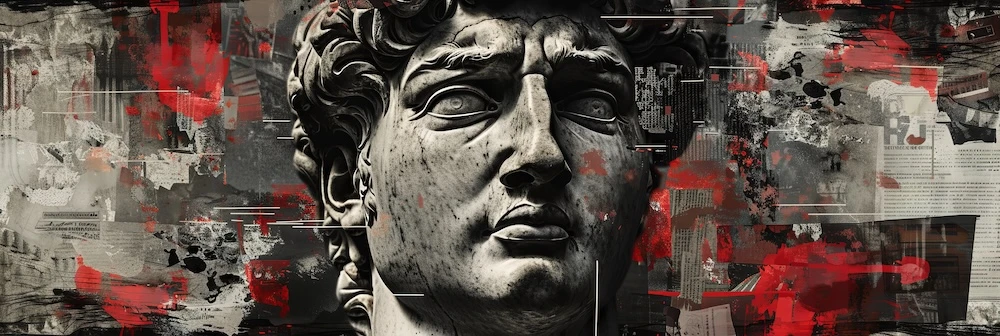
Fine art and antiquities occupy a unique position in a high-net-worth estate. They appreciate quietly, carry complex ownership histories, and create legal exposure that standard estate attorneys rarely see until it is too late. Provenance gaps. Chain of title disputes. Fractional ownership structures that were never properly documented. Art-backed loan agreements with UCC-1 filings that surface at the worst possible moment. Estate valuations that trigger tax exposure nobody anticipated.
At Jameel Diaz PC, we advise collectors, estate trustees, and cultural asset holders who understand that a collection built over decades deserves the same precision in its protection as it received in its acquisition. We handle the legal complexity so the collection remains exactly what it was always meant to be, a legacy, not a liability.
Because a collection this significant deserves counsel that understands this world.
A collection built over decades carries legal complexity most estate attorneys never see coming. We do. From acquisition to transfer, we design and implement solutions including provenance review, trust planning, andtax-efficient transfer strategies built around the full weight of what you have assembled. Services include:
- Sale and Purchase Agreements: The wrong agreement can cost you the collection. We structure art acquisition and sale agreements with the precision this market demands, addressing provenance, chain of title, and valuation before they become problems.
- Provenance Research: Provenance gaps do not stay hidden. They surface at the worst possible moment; during a sale, an estate proceeding, or a dispute. We identify and resolve chain of title issues before they define what your collection is worth.
- Asset-Backed Loan Agreements: Your collection has value beyond the wall it hangs on. We structure asset-backed loan agreements that unlock that value while protecting ownership, managing UCC-1 exposure, and making sure the terms never put the collection at risk.
- Fractional Ownership Structuring: The most expensive fractional ownership disputes are the ones that were never properly documented. We build structures that protect your share, define every party's rights, and make sure ownership is never left open to interpretation.
FAQs
How is art treated differently from other assets in an estate?
Why does provenance matter legally, not just historically?
How do I transfer my collection without triggering unnecessary tax exposure?